Tayaltech Breath Alcohol Analyzer: Features, Uses and Buying Guide
Arshad Warsi
5 November 2026
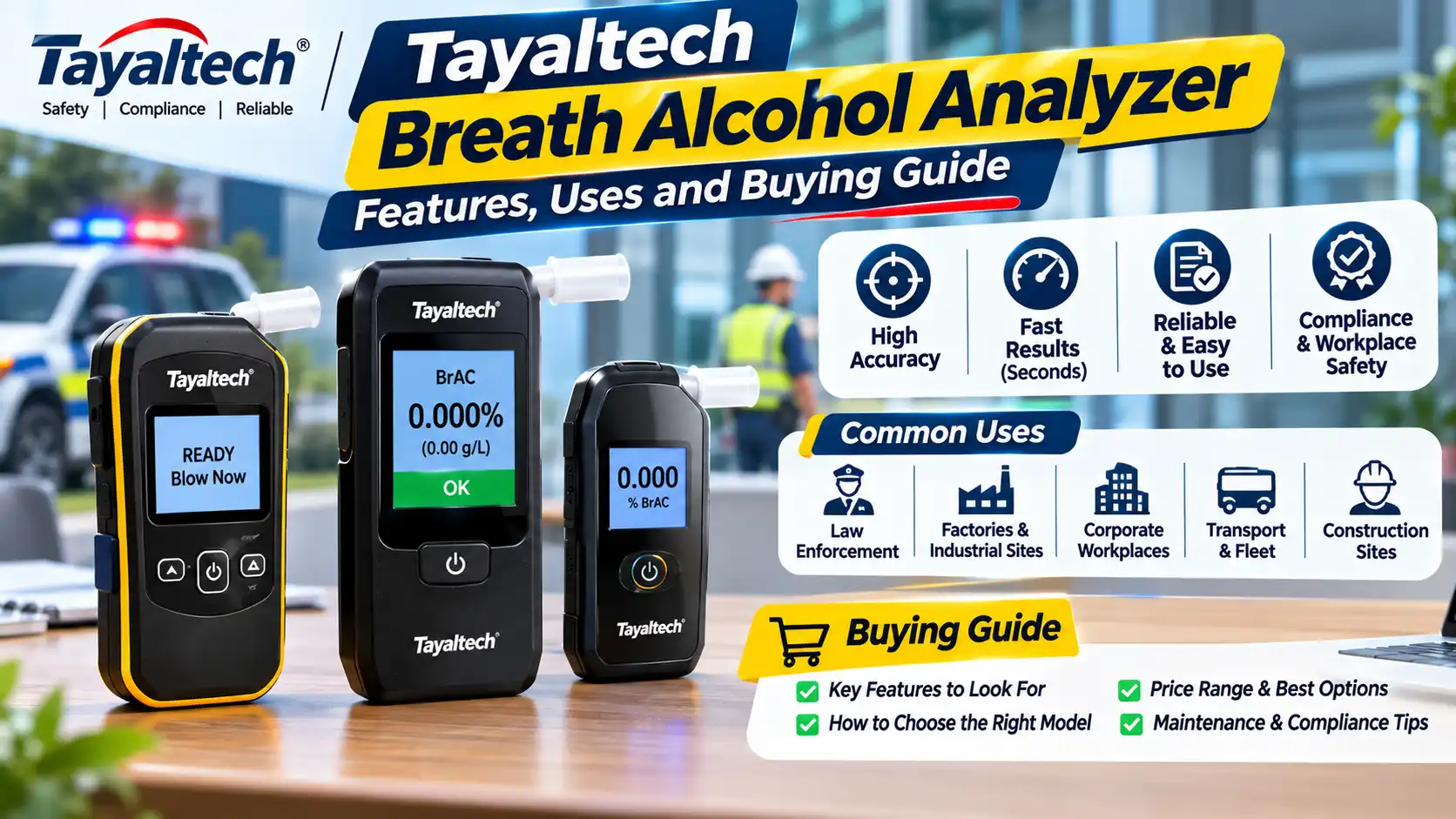
"Tayaltech breath alcohol analyzer"
Tayaltech Breath Alcohol Analyzer: Features, Uses and Buying Guide
Introduction
Organisations that manage transport, industrial operations, security-sensitive sites or employee safety may need a consistent process for alcohol screening. A breath alcohol analyzer is one tool used in such programmes. It estimates alcohol concentration from a breath sample and displays a reading or status according to the device's design. The instrument can support a workplace procedure, but it should never be treated as a substitute for a complete safety policy, trained decision-making or applicable legal requirements.
When researching a Tayaltech breath alcohol analyzer, buyers should look beyond the product name. They need to understand the intended application, sensor technology, operating range, display, sampling method, calibration requirements, accessories and after-sales support. This guide explains the main considerations in practical terms. It is written for procurement teams and organisations evaluating a device, not as medical or legal advice. Always follow the manufacturer's instructions and the rules that apply in your jurisdiction.
What a Breath Alcohol Analyzer Does
A breath alcohol analyzer measures alcohol in a breath sample and uses its sensor and internal calibration to produce an estimate. Different devices are designed for different environments and levels of use. Some are intended for preliminary screening, while evidential instruments used in regulated settings may have additional requirements, approvals and procedures.
The result can be affected by the device's design, calibration status, sampling method, environmental conditions and user procedure. A reading should be interpreted according to the manufacturer's guidance and the organisation's approved policy. A screening device does not automatically establish legal impairment or replace a confirmatory test where one is required.
Before choosing a model, define whether the requirement is routine workplace screening, transport operations, security checks, training demonstrations or another purpose. The intended use determines which specifications and approvals matter most.
Understand Sensor Technology
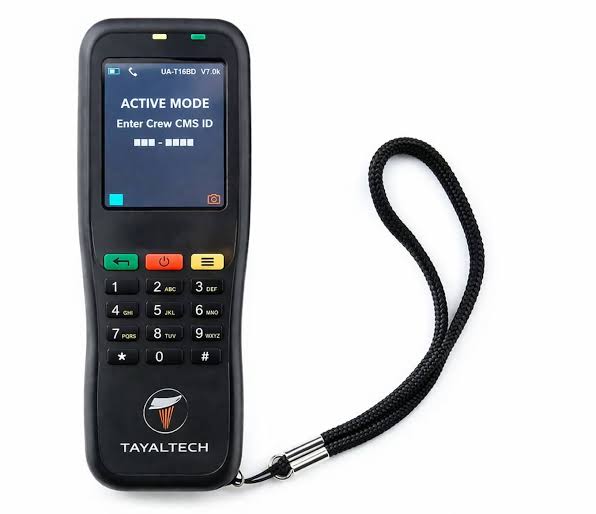
Breath alcohol analyzers may use different sensor technologies. Fuel-cell sensors are commonly associated with professional screening devices because they are designed to respond to alcohol in a breath sample. Semiconductor sensors are used in some lower-cost devices, but their performance characteristics and susceptibility to interfering substances can differ. The sensor type alone does not establish that a device is suitable for a particular legal or safety application.
Ask the supplier for the exact sensor specification, operating range, stated accuracy or tolerance, response time and required calibration interval. Request the manufacturer's technical documentation rather than relying on broad phrases such as high accuracy. Check whether the stated performance applies across the full operating range and under specified environmental conditions.
If the device is used in a safety-critical or regulated process, confirm whether the model has the approvals, testing records or certification required by the relevant authority or organisation. Do not assume that a consumer screening product can be used as an evidential instrument.
Why Organisations Use Screening Devices
Workplace screening may form part of a broader safety programme in sectors where impairment could create serious risks. Examples can include transport fleets, logistics operations, industrial facilities, security services and organisations with site-specific safety rules. The appropriate policy depends on the nature of the work, local employment law, privacy requirements and any applicable transport or occupational safety regulations.
A device can help apply a consistent screening procedure when staff are trained and the process is documented. It does not replace risk assessment, supervision, incident reporting, employee support or clear communication of workplace rules. Employers should establish who may conduct a test, how results are recorded, how privacy is protected and what happens when a reading requires further review.
Policies should be developed with appropriate legal, HR and safety advice. Avoid using a device outside the scope for which it was designed.
Features to Evaluate in a Tayaltech Model
When evaluating a Tayaltech product, verify the exact model number and review its official specification. Check the sensor type, measurement range, stated accuracy, display format, sampling method, warm-up time, response time and operating temperature range. Confirm whether the device is handheld or intended for a fixed testing point, and whether it uses a mouthpiece or another sampling arrangement.
A clear display can make readings easier to record. Memory functions, date and time stamping, printer connectivity or data export may be useful in some workflows, but they should be verified for the specific model. Ask whether the device provides audible or visual alerts and whether these can be configured. Confirm battery type, charging method, expected battery life and availability of replacement accessories.
Do not assume that a feature shown in a general brand image is included with every model. Product families can contain different configurations. Ask for the model-specific datasheet, user manual and a written list of included items before ordering.
Calibration and Maintenance
Calibration is essential to keeping a measuring instrument within its specified performance. The interval and method depend on the device and the manufacturer's instructions. Some devices may require service at a defined time or after a certain number of tests. Environmental exposure, heavy use or unusual readings may also trigger a need for inspection.
Ask the supplier who performs calibration, whether an authorised service centre is available, what documentation is provided and how long service usually takes. Confirm the cost of calibration and whether the device needs to be sent away. For organisations with several units, plan a schedule that prevents all devices from being unavailable at once.
Keep a calibration record for each instrument, including serial number, service date, next due date and service report. Do not use a device that is overdue for required calibration or shows an error condition. Follow the manufacturer's cleaning and storage instructions, and use only compatible accessories.
Sampling Procedure and Hygiene
The quality of a test depends on a consistent procedure. Staff should read the user manual, complete the required training and follow the manufacturer's sampling instructions. These may specify a waiting period after eating, drinking, smoking or using mouth products, as well as how to fit a mouthpiece and when to repeat a sample. The precise procedure varies by device and must not be guessed.
Hygiene is important when devices are shared. Use manufacturer-approved disposable mouthpieces where required, handle them without contaminating the sampling end and dispose of them safely after use. Clean the instrument only as directed. Do not allow liquids or cleaning agents to enter the sensor opening unless the manual explicitly permits it.
A workplace should provide a private, respectful testing area and explain the procedure to the person being tested. Staff should know how to handle an invalid sample, device error or unexpected reading without improvising.
Interpreting Results Responsibly
A breath analyzer reading is a measurement produced under particular conditions. It should be interpreted using the device instructions and the organisation's policy. Do not convert a displayed number into a legal conclusion unless the instrument and procedure are approved for that purpose and the applicable law supports that interpretation.
If a result is unexpected, the procedure may require a repeat test, a confirmatory process or referral to an authorised professional. The organisation should specify these steps in advance. Staff conducting tests should not make medical diagnoses or take actions outside their authority.
Recordkeeping should be proportionate and secure. Collect only information required by the policy, restrict access and follow applicable data protection and employment rules. Explain retention periods and how records may be reviewed.
How to Select the Right Device for Your Operation
Start with the number of tests expected per shift, the number of sites, the environment and the required level of assurance. A small facility with occasional screening may need a different model from a transport operation conducting frequent checks across multiple locations. Consider whether the device will be used indoors or outdoors, whether it must be carried between sites and whether operators need a simple guided workflow.
Compare the complete operating cost: device price, mouthpieces, calibration, service, batteries, accessories and staff training. Check service turnaround and availability of spare parts. If several units are required, ask whether the supplier can provide consistent configurations, operator training and a maintenance schedule.
A demonstration can help staff assess the display, sampling process and practical handling. Use the same model and accessories that will be supplied, and make sure the demonstration follows the manufacturer's procedure.
Questions to Ask the Supplier
Request the exact Tayaltech model number, current datasheet and user manual. Ask what sensor technology is used, what the stated measurement range and accuracy are, and what standards or approvals apply. Confirm whether the product is intended for screening or evidential use. Ask about calibration frequency, authorised service arrangements, calibration certificates and expected service costs.
Clarify what is included: device, batteries or charger, mouthpieces, carrying case, printer or data cable if applicable, and documentation. Confirm warranty coverage, exclusions, delivery, taxes and support location. Ask how quickly consumables can be replenished and whether the supplier can support multiple sites.
If the device will be part of a formal workplace policy, ask the supplier to provide technical documents for review by the organisation's safety and legal teams. A clear written specification helps prevent misunderstandings.
Common Buying Mistakes
Do not select a device only because it has a low price or a large display. Do not assume that all breath analyzers have the same sensor technology, measurement range or calibration process. Do not treat a screening result as proof of impairment without an appropriate procedure. Avoid buying a model for regulated or evidential use until its approval status has been independently verified.
Another mistake is ignoring consumable and service costs. A device may be affordable initially but expensive to maintain if mouthpieces or calibration services are difficult to obtain. A good purchasing decision includes the full service life and a clear plan for training and records.
Conclusion
A breath alcohol analyzer should be selected as part of a responsible screening process. Confirm the intended use, sensor specification, measurement range, calibration requirements, sampling procedure, hygiene provisions and service support. For a Tayaltech device, verify the exact model and obtain its official documentation before making claims about performance or suitability.
Organisations should also establish a clear policy, train authorised operators and follow applicable legal, privacy and workplace safety requirements.
Explore Tayaltech breath alcohol analyzer options at Emerging Solutions and request a model-specific quotation with technical documentation, calibration details and warranty information.
Frequently Asked Questions
What is a breath alcohol analyzer?
It is an instrument that analyses a breath sample and provides an estimate of alcohol concentration according to its design and calibration.
Are all breathalyzers suitable for workplace screening?
No. Suitability depends on sensor, performance, intended use, calibration and applicable policy or regulation.
How often should an analyzer be calibrated?
Follow the exact manufacturer's schedule and any applicable regulatory requirement. The interval varies by model and use.
Does a screening reading prove legal impairment?
Not automatically. Legal interpretation depends on the instrument, procedure and applicable law.
What should I check before buying a Tayaltech analyzer?
Verify the exact model, sensor type, range, accuracy specification, calibration support, accessories, warranty and intended-use documentation.
Why are disposable mouthpieces important?
Where specified by the manufacturer, they support hygienic sampling between users. Always follow the device's instructions.
Equipping your office, school or institution?
Emerging Solutions is an authorized enterprise partner for HP, Canon, Epson, and BenQ in Gurugram and Delhi NCR. Get institutional pricing, GST tax invoices, and complete on-site deployment.
Related Hardware Guides & Insights
Hand-picked procurement advisories for commercial buyers.